


AnimalProtech Blog
Heat safety for dogs and cats: preventing an emergency
Heatstroke can worsen quickly. Reduce the risk, recognise urgent warning signs and respond without delaying emergency veterinary care.
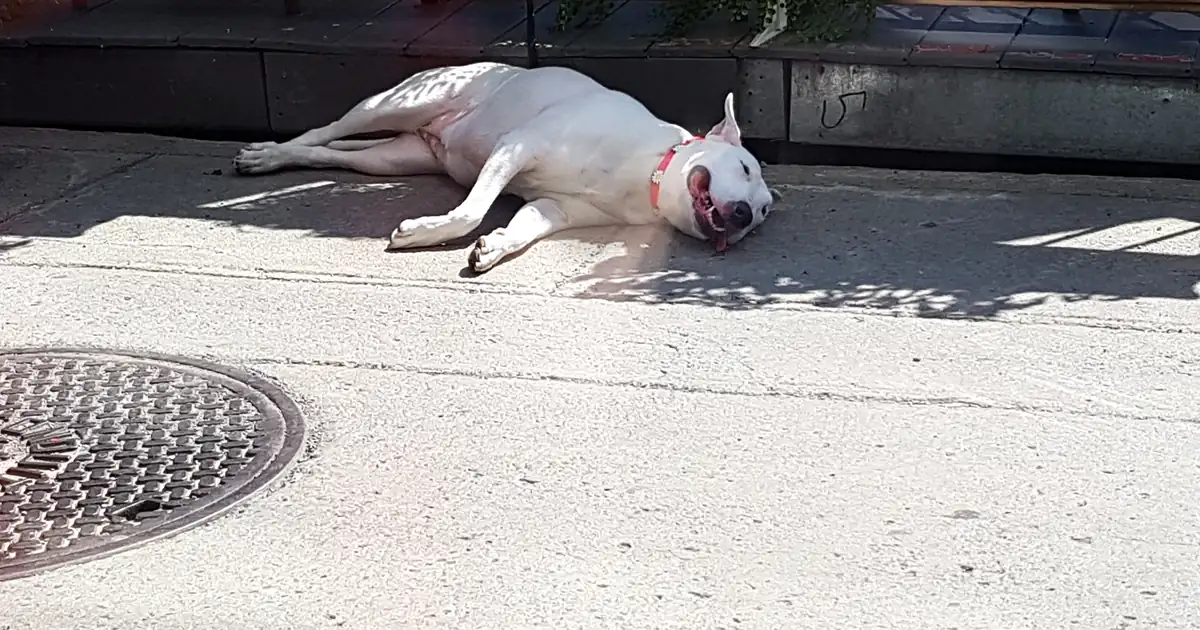
Hot, humid conditions can overwhelm a dog’s or cat’s ability to shed heat. Heatstroke is a life-threatening emergency, not simply tiredness after exercise. The American Animal Hospital Association warns that it can develop quickly, particularly when an animal has no shade, water or ventilation. Prevention should begin before the animal shows obvious distress.
Adjust exercise and the environment
Schedule walks and active play for cooler times of day, shorten each session and allow frequent rests. Keep fresh water available and provide a properly shaded, well-ventilated place. Never leave an animal in a parked vehicle, garage, enclosed porch or any other space where heat can build up.
Walking surfaces can become dangerously hot even when the air feels manageable. Touch the ground with the back of your hand; if you cannot keep it there comfortably, choose a cooler route or wait. Watch the animal’s response rather than relying on the weather forecast alone, as humidity can make a familiar walk much harder.
Any dog or cat can overheat. Short-muzzled animals, the very young or old, overweight animals and those with medical conditions need additional care. Cornell also identifies dogs with heart or breathing problems and those with thick or dark coats as being at greater risk.
Recognise signs of overheating
Heavy panting, persistent drooling, restlessness, seeking shade or refusing to continue may be early warnings. Difficulty breathing, vomiting, diarrhoea, weakness, stumbling, confusion, collapse or seizures require immediate action. Cats may hide and show subtler distress, so unusual breathing or sudden weakness should never be dismissed.
Respond while arranging veterinary care
- Stop all activity and move the animal into a cool, ventilated place.
- Contact an emergency veterinary service immediately and follow its instructions.
- Make water available, but do not force the animal to drink.
- Use cool water and airflow if advised; avoid ice baths and extreme cold.
- Arrange transport even if the animal appears to recover.
Do not delay veterinary care to continue cooling at home. The American Red Cross warns that complications may develop after apparent improvement. AAHA advises against extreme cold because an uncontrolled fall in temperature can also be harmful. A clinic needs to assess internal temperature, hydration and possible organ damage.
Prepare before hot weather arrives
Save the nearest emergency clinic’s telephone number and route, and decide who can transport the animal. Keep water and a carrier or harness ready for travel. Rescue groups and foster homes should assign specific checks for water, shade and ventilation rather than assuming someone else has completed them.
This article provides general prevention and first-response information. It cannot diagnose heatstroke or replace instructions from a veterinarian who can examine the animal.
Frequently asked questions
- Can a dog or cat overheat indoors?
- Yes. Garages, enclosed porches, sunrooms and poorly ventilated homes can trap heat. Animals need water, airflow and access to a reliably cool area.
- Should I use ice water if I suspect heatstroke?
- AAHA advises against ice baths and extreme cold. Move the animal to a cooler place, contact an emergency veterinarian immediately and follow professional cooling instructions.
References
- AAHA — preventing heatstroke in dogs and cats - Veterinary guidance
- Cornell University College of Veterinary Medicine — summer heat safety for dogs - Veterinary guidance
- American Red Cross — pet heat safety - Emergency guidance