


AnimalProtech Blog
Ontario to restrict declawing, ear cropping and devocalisation
From 1 January 2027, Ontario will restrict three non-therapeutic procedures, with a documented exception when one is medically necessary.
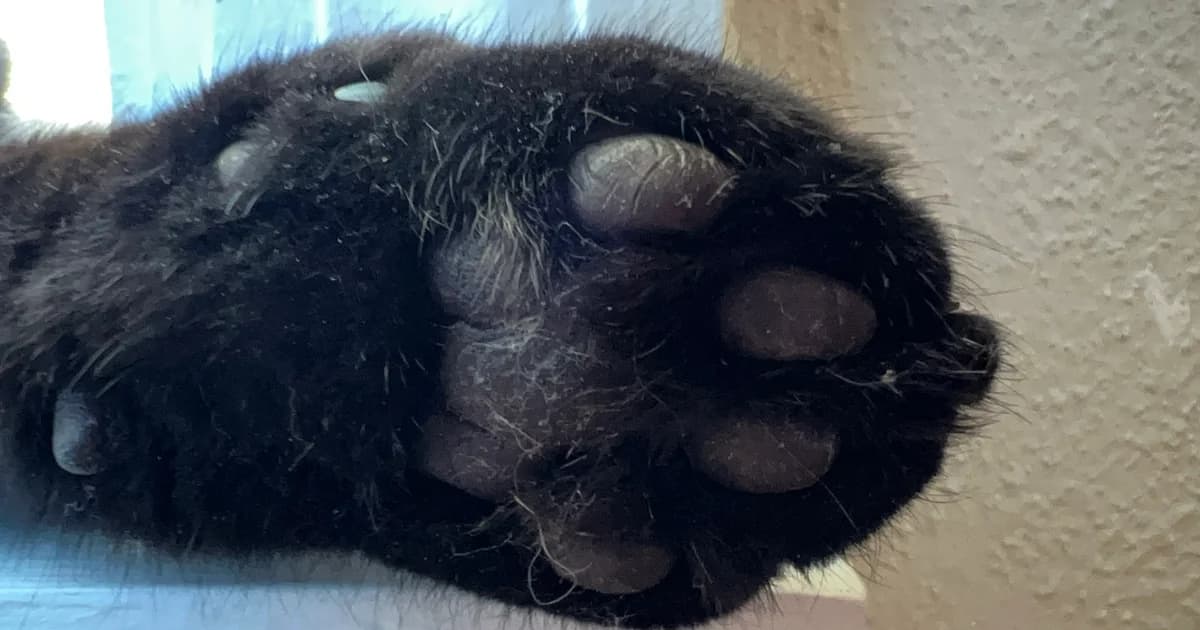
Ontario Regulation 152/26 will restrict three procedures on companion animals from 1 January 2027. Cat declawing, dog ear cropping and dog devocalisation will be prohibited unless a veterinarian decides that a procedure is medically necessary and records the reason. The delayed start gives veterinary clinics, guardians, breeders and animal organisations time to prepare.
The wording is narrower than some summaries suggest. Dog tail docking is not included in this regulation’s list of prohibited procedures. The Ontario government has also announced broader proposed animal welfare legislation, but a proposal does not carry the same legal status as an enacted regulation.
How the medical exception works
The exception is tied to the animal’s health, not to convenience or appearance. A veterinarian must judge the procedure medically necessary and document the reason. If a procedure is recommended for an individual animal, guardians can ask which condition it is intended to treat, whether alternatives are available, how pain will be managed and what aftercare will involve.
Scratching, barking and other behaviour concerns require an assessment of their cause. Suitable scratching surfaces, changes to the home, training, pain assessment and qualified behavioural support may reduce risk without altering a healthy body part. A sudden change in behaviour can also be a sign of pain, illness or distress.
How animal organisations can prepare
- Update adoption, foster and volunteer guidance before the 2027 start date.
- Remove wording that presents the restricted procedures as routine prevention or a breed requirement.
- Record procedures that an animal has already undergone without stigmatising the animal or adopter.
- Direct individual medical and behaviour questions to appropriately licensed professionals.
Organisations working across provincial borders should check the law where veterinary care is provided. They should also distinguish between caring for an animal that previously underwent a procedure and arranging a new procedure after the restriction begins.
Use the regulation as the legal reference
Professional veterinary guidance can explain the welfare concerns behind non-therapeutic procedures, but it does not replace the regulation. Because the effective date is still ahead, Ontario may publish further implementation guidance before January 2027. Clinics and organisations should check the current official text when updating their policies.
This article is a general summary, not legal, veterinary or behavioural advice. Confirm current requirements through official Ontario sources and consult a licensed veterinarian about an individual animal.
Frequently asked questions
- When do Ontario’s restrictions take effect?
- Ontario Regulation 152/26 sets 1 January 2027 as the effective date. Check the official regulation for any later amendment or implementation guidance.
- Does Regulation 152/26 ban dog tail docking?
- No. This regulation names cat declawing, dog ear cropping and dog devocalisation. Tail docking is not included in its specific list.
References
- Ontario Regulation 152/26 - Official source
- Government of Ontario — animal welfare announcement - Official source
- Canadian Veterinary Medical Association — position on elective procedures - Official source