


AnimalProtech Blog
Brazil brings animals into disaster planning: what changes
Brazil's Amar policy puts animal rescue and shelter into public disaster planning. Here is what the law requires—and what families can prepare now.
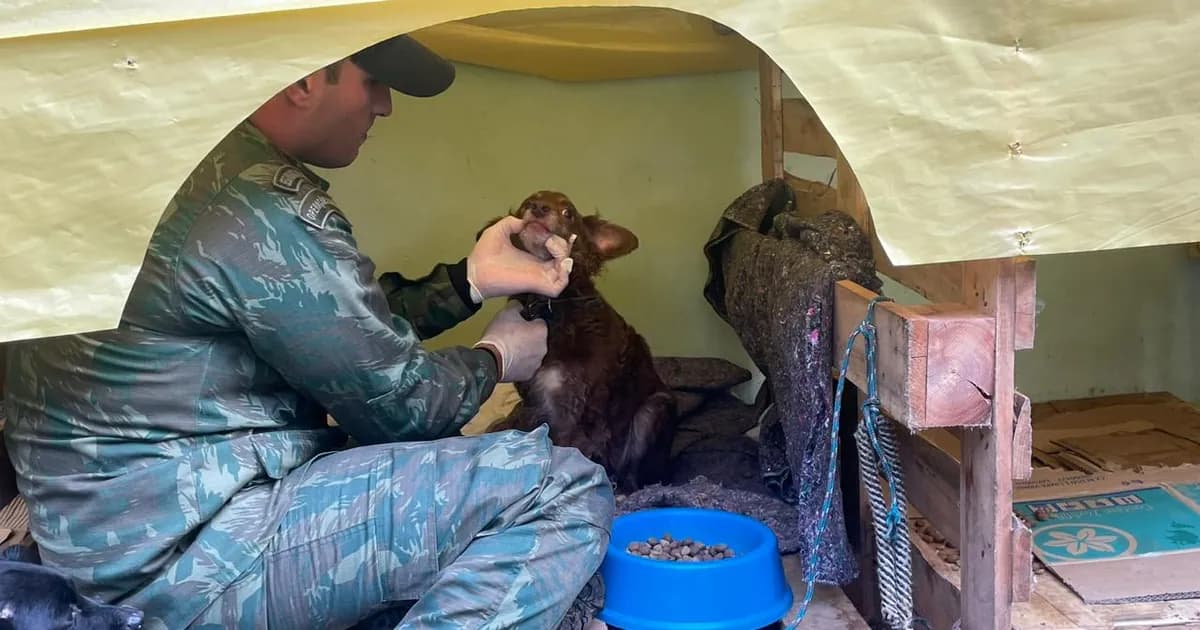
Evacuating with an animal is much harder when the local plan has no safe transport, reception point or temporary shelter. Brazil's new Amar policy addresses that gap by making animal protection a public responsibility in disaster planning, alongside the work already done by rescue groups and volunteers.
Law 15,355, signed on 11 March 2026 and in force since 12 March, applies throughout Brazil. It covers domestic and wild animals affected by emergencies, accidents and natural or human-caused disasters. It does not mean that every city already has a fully staffed animal-rescue service; the national framework still has to become a workable local plan.
What the Amar policy requires
States must incorporate animal protection, rescue and safe handling into their civil-defence plans. Municipalities must include animals in local contingency plans, organise rescue and emergency care, and provide temporary shelter. The law also allows animal-protection organisations and volunteer groups to take part in planning and response.
There are important limits. Human lives remain the priority during evacuation, search and rescue. Animal rescues must be carried out by trained teams under a qualified professional, using methods suited to the incident and the species involved. Decisions about the care and release of wildlife remain with the responsible environmental authority.
Federal assistance is available, but not automatic
Under Operational Guidance 04/2026, Brazil's national civil-defence system can provide complementary emergency support for domestic animals in temporary shelters. Requests may cover food, drinking water, basic shelter supplies, sanitary and first-aid kits, microchipping and accommodation for animals of different sizes.
This is emergency funding, not a standing allowance for every shelter or household. A state or municipality must submit a formal request backed by evidence and meet requirements such as federal recognition of the emergency or documentation supporting it. The guidance also sets deadlines and requires requested quantities to match local need.
Prepare the animal before an alert arrives
A public plan works better when guardians can identify and move their animals quickly. Keep a carrier within reach for each small animal, and practise getting the animal inside calmly before an emergency. Store a sturdy leash or harness, food, drinking water, usual medicines and copies of health records together. Add visible identification with a current telephone number, and check that any microchip registration has up-to-date contact details.
Follow warnings from local civil defence and leave early when instructed. If an animal cannot be evacuated safely, tell the responding authority where it is and what rescuers need to know. Never enter floodwater, a fire zone, an unstable building or another restricted area to attempt a rescue yourself.
Ask what your municipality has planned
Residents and animal-protection groups can ask the municipal civil-defence office how animals appear in the local contingency plan: where animals would be received, which team coordinates rescue, how livestock and wildlife are handled, and how temporary shelters will record animals and reunite them with guardians.
The law sets the baseline; the local plan determines what happens on the day. Asking for named teams, locations and procedures is more useful than a general assurance that animals will be considered. Protection groups can offer local knowledge and trained support, but they should work through incident command rather than enter hazardous areas on their own.
Frequently asked questions
- Does Brazil's Amar policy cover pets only?
- No. Law 15,355 covers domestic and wild animals affected by emergencies, accidents and disasters. Who handles an animal, what care it receives and where it goes will still depend on the species and the responsible authorities.
- Can anyone enter a disaster area to rescue an animal?
- No. The law assigns animal rescue to trained teams coordinated by a qualified professional. Follow access restrictions, alert the responsible authority and never enter a hazardous area on your own.
- Does the new policy guarantee federal funding after every disaster?
- No. Operational Guidance 04/2026 describes eligible complementary support for sheltered domestic animals, but the state or municipality must submit a formal request and satisfy the applicable emergency requirements.
References
- Presidency of Brazil — Law 15,355 of 11 March 2026 - Legislation
- Brazilian Ministry of Integration and Regional Development — Operational Guidance 04/2026 - Government guidance
- Paraná Civil Defence — preparing before, during and after disasters - Government preparedness guidance
- Federal Council of Veterinary Medicine — national animal disaster contingency plan - Veterinary disaster guidance