

AnimalProtech Blog
Wildlife-friendly tourism: how to avoid wildlife entertainment
Sunweb has stopped selling several captive-wildlife activities. Its decision offers a useful starting point for assessing animal attractions before booking.
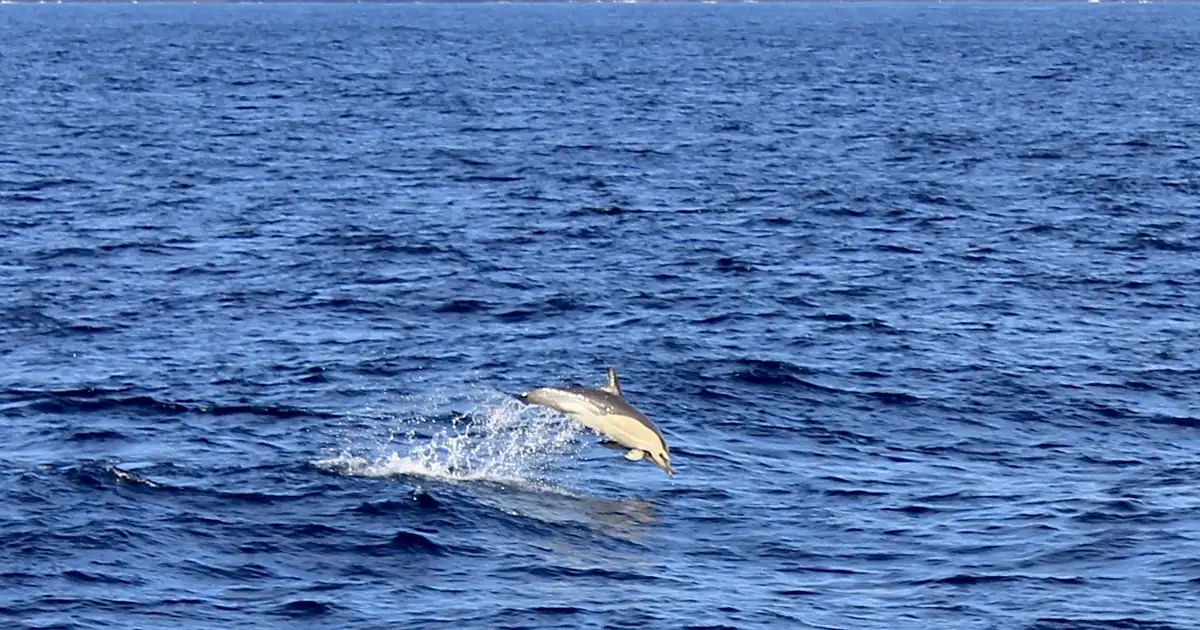
Tour listings often describe close contact with wild animals as educational, memorable or harmless. Yet every booking contributes to demand. On 17 April 2026, World Animal Protection reported that Sunweb Group had stopped selling parks and excursions centred on wild-animal performances or direct interaction. The policy took effect on 1 March across group brands including Sunweb and Eliza was here.
The announcement cites dolphinarium visits, sea-lion shows and aquariums that offer shark-cage diving. This is a commercial policy, not a worldwide legal ban, and it does not establish that every activity labelled “wildlife” has been assessed. Sunweb says it may continue to sell responsible observation in natural habitats where animal welfare comes first.
Can the animal choose to move away?
The animal’s ability to control distance is a useful dividing line. Performances, rides, touching, feeding for photographs and guaranteed close encounters are warning signs when wild species are involved. A responsible wildlife-watching tour should explain how it limits noise, crowding, pursuit, approach distance and time near the animals.
Sunweb’s own guidance recommends certified guides, observation in natural habitats, adequate distance and no disturbance. Even then, the operator’s actual practices matter more than the marketing label.
Questions worth asking before you book
- Do the animals live freely, or are they confined mainly for display and contact?
- Does the operator promise a show, selfie, swim, ride or hands-on encounter?
- Are limits on group size, distance, vessel speed and viewing time published?
- Is there an independent welfare standard and a clear way to report breaches?
- What will the seller do if an operator ignores the advertised rules?
Labels such as “sanctuary”, “rescue” and “conservation” are not evidence of good welfare by themselves. Look for a clear account of why each animal is there, whether breeding or performances take place, who provides veterinary oversight and how revenue is used. Travel ratings usually measure the visitor’s satisfaction, not the animal’s welfare.
If the activity differs from its listing
Keep a copy of the description and ask questions in writing before the trip. If what you find on arrival differs substantially from the listing, leave safely. Record only what can be documented without disturbing the animals, then contact the booking platform and the relevant local authority or welfare organisation.
A responsible wildlife tour may mean less predictable sightings and a greater viewing distance. That is not a poorer experience: it leaves the animal free to behave like a wild animal rather than a prop for visitors.
Frequently asked questions
- Did Sunweb stop selling every wildlife excursion?
- No. The reported policy removes excursions based on wild-animal entertainment or unnatural direct interaction. Sunweb says responsible observation in natural habitats may remain available.
- Does calling a facility a sanctuary guarantee good welfare?
- No. Check its purpose, breeding and contact policies, veterinary oversight, financial transparency and independent standards instead of relying on the name.
References
- World Animal Protection — change to Sunweb’s excursion policy - Primary source
- Sunweb Group — sustainability strategy and responsible travel guidance - Primary source