


AnimalProtech Blog
SinPatinhas reaches 1.3 million records: how the system works
Brazil’s national registry recorded more than 1.3 million dogs and cats in its first year. Each entry is only as useful as its contact and identification details.
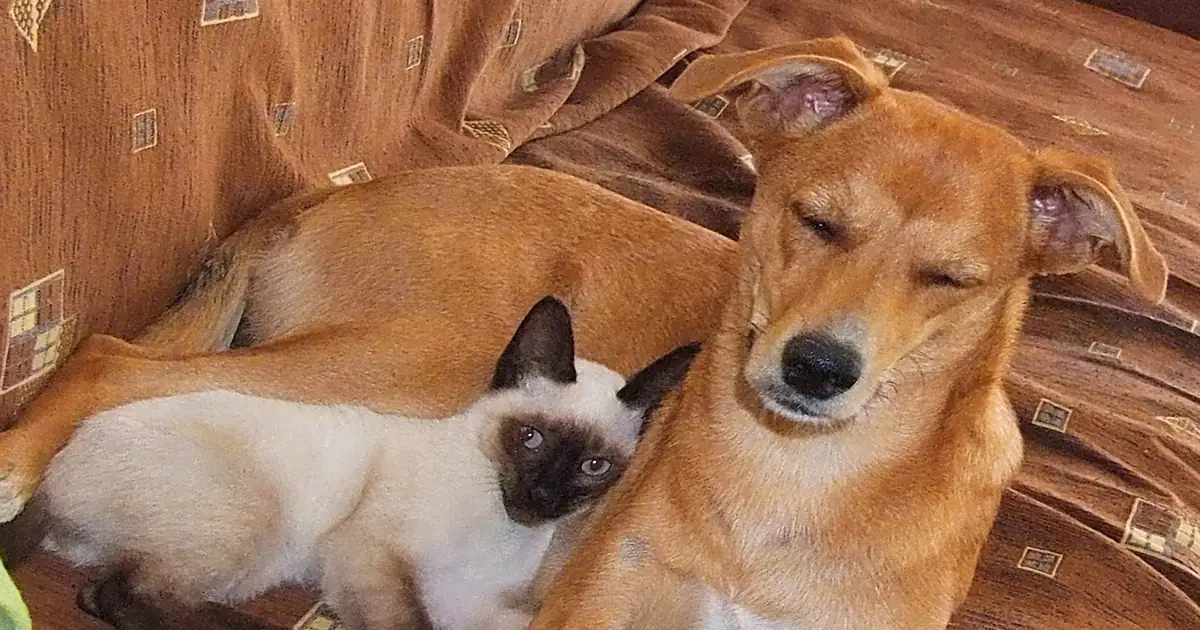
Brazil’s Ministry of the Environment reported on 17 April 2026 that SinPatinhas had registered 1,305,529 animals during its first year: 795,859 dogs and 509,670 cats. At least one animal had been registered in 98.3% of Brazilian municipalities. Those figures show how quickly the service has spread, but a record is useful only when its details are accurate and kept up to date.
SinPatinhas is the public service for Brazil’s National Domestic Animal Registry. Registration is free and voluntary, and the system can issue an Animal ID with a QR code. Guardians, animal protection organisations, veterinary professionals and municipal authorities may use it, although their roles are not interchangeable.
What the registry records
A SinPatinhas record can connect an animal’s identity with the guardian’s contact details and information about neutering, microchipping, vaccination and treatment. Some clinical information can be entered only by a veterinary professional. This distinction is important: information supplied by a guardian is not automatically a verified medical record.
The QR-coded Animal ID links to the official record. It does not replace a physical microchip, a readable tag or the safeguards needed to prevent an animal from becoming lost. A microchip is most helpful when its number is correct and linked to current contact details.
Before creating or updating a record
Access requires a Gov.br account. Gather the animal’s identification and care documents before starting, then compare names and numbers carefully. If the animal has a microchip, ask a clinic to confirm the number rather than copying it from memory. Once the Animal ID has been issued, test the QR code and keep a readily accessible copy.
- Use a current telephone number and an email account that is checked regularly.
- Describe the animal’s species, sex and identifying features clearly.
- Update the record after a change of address, contact details or guardianship.
- Keep veterinary and adoption documents alongside the registration record.
How accurate records can help
Reliable identification can make it easier to contact a guardian when a lost animal is found. Rescue groups may also use structured records to support foster care, veterinary follow-up and well-documented adoption handovers. During an adoption, however, the parties still need to confirm who is transferring and receiving the animal, document the handover under current rules and discuss ongoing care.
An Animal ID does not prove that an advertisement, seller or organisation is trustworthy. Check official contact channels, health documents, the animal’s condition and the circumstances of the handover before proceeding.
What SinPatinhas does not replace
The national system does not override municipal requirements or replace veterinary files, vaccination, microchipping or everyday safety measures. Procedures and data fields may also change. Use the official Gov.br service and check current public guidance rather than relying on screenshots or third-party instructions.
This article summarises official information for a general audience. It is not legal or veterinary advice and does not replace instructions from the relevant authority.
Frequently asked questions
- Is SinPatinhas registration compulsory?
- The official national service describes registration as free and voluntary. Other duties or municipal rules may still apply, so guardians should check local requirements.
- Does the Animal ID replace a microchip?
- No. Animal ID is a digital record; a microchip is a physical identifier implanted by a qualified professional. They can be used together, and both are more useful when contact details are current.
References
- Agência Gov, via Brazil’s Ministry of the Environment — SinPatinhas first-year milestone - Official source
- Gov.br — Register dogs and cats with SinPatinhas - Official source
- Brazilian Law 15,046/2024 — National Domestic Animal Registry - Official source
- Brazilian Decree 12,439/2025 — registry regulation - Official source