


AnimalProtech Blog
Namibia’s rabies campaign: progress and community action
Namibia’s 2025 campaign vaccinated about 125,000 dogs and 13,000 cats in the Northern Communal Areas, but wider coverage is still needed.
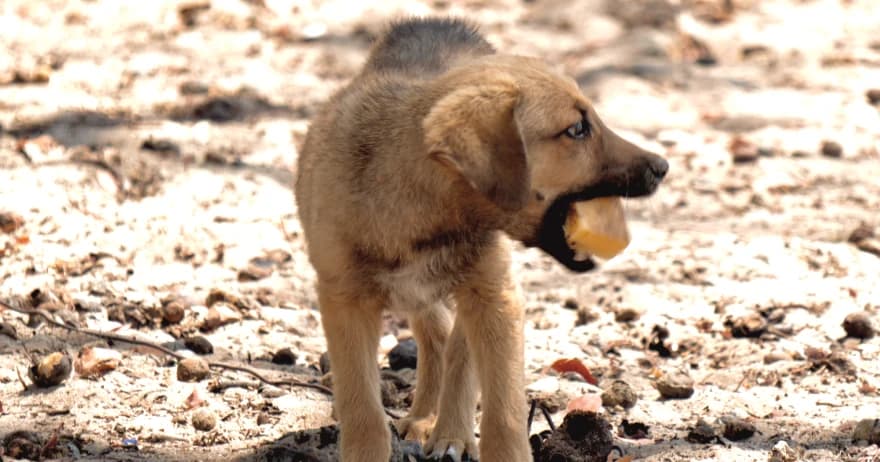
Namibia’s 2025 rabies campaign in the Northern Communal Areas vaccinated approximately 125,000 dogs and 13,000 cats, according to the Africa office of the World Organisation for Animal Health. Although the campaign reached many animals, estimated coverage among dogs was about 48%, still below the level needed to interrupt transmission reliably.
Plans for 2026 call for further mass vaccination, stronger surveillance, education and community participation. Each element supports the others: vaccination reduces risk, surveillance shows where the virus is circulating, and trusted local communication helps people attend campaigns and report suspected cases promptly.
Why programmes concentrate on dogs
The World Health Organization identifies mass dog vaccination as a central strategy for ending human rabies transmitted by dogs. Maintaining high coverage across a community is more effective than responding only after a case appears. Cats and other susceptible domestic animals also need vaccination according to local veterinary guidance, but dogs receive particular attention because they are a major source of transmission to people.
One campaign cannot provide permanent protection. Puppies are born, families move, vaccinations come due for renewal and remote communities may be hard to reach. Continuing campaigns need accurate records, accessible vaccination points, trained teams and proper vaccine handling.
How communities can support vaccination
- Follow official campaign notices and bring eligible animals on the announced date.
- Use a secure lead, carrier or other restraint suited to the animal.
- Keep the vaccination certificate and ask when the next dose is due.
- Share verified information in local languages and address rumours calmly.
- Report suspicious neurological signs or unexplained aggression to veterinary authorities; do not try to handle or rescue the animal without appropriate protection.
What to do after a possible exposure
Possible exposure to rabies requires urgent medical attention. Follow current public-health guidance: wash the wound thoroughly and seek professional assessment immediately. Do not wait for symptoms or judge risk from the animal’s appearance. Follow public-health and veterinary authorities’ instructions on safe observation or testing of the animal.
Rescue groups can prepare by keeping written exposure procedures, protective equipment, staff training, isolation plans and up-to-date contact details for the relevant authorities. Outreach works best when communities trust the people delivering the information and vaccination sites are accessible to households with limited transport.
The 2025 totals show practical progress; the coverage estimate explains why the campaign must continue. Longer-term success means sustained vaccination, faster detection, fewer animal cases and, ultimately, the prevention of human deaths.
This article summarises official sources and does not provide individual medical or veterinary advice. After a possible exposure, or for an animal’s vaccination schedule, contact local health and veterinary professionals immediately.
Frequently asked questions
- How often should a dog or cat receive a rabies vaccine?
- The schedule depends on the approved vaccine, the animal and local rules. Keep the certificate and ask a local veterinary professional when the next dose is due.
- What should someone do after possible rabies exposure?
- Wash the wound thoroughly and seek professional medical care immediately. Follow local public-health guidance; do not wait for symptoms or try to assess the risk alone.
References
- WOAH Africa — Namibia rabies project review and 2026 planning - Official source
- World Health Organization — veterinary rabies vaccines - Official source