


AnimalProtech Blog
How to help your cat feel comfortable in a carrier
A carrier is easier to use when it feels like familiar furniture. Build your cat's confidence at home, then practise the journey in manageable steps.
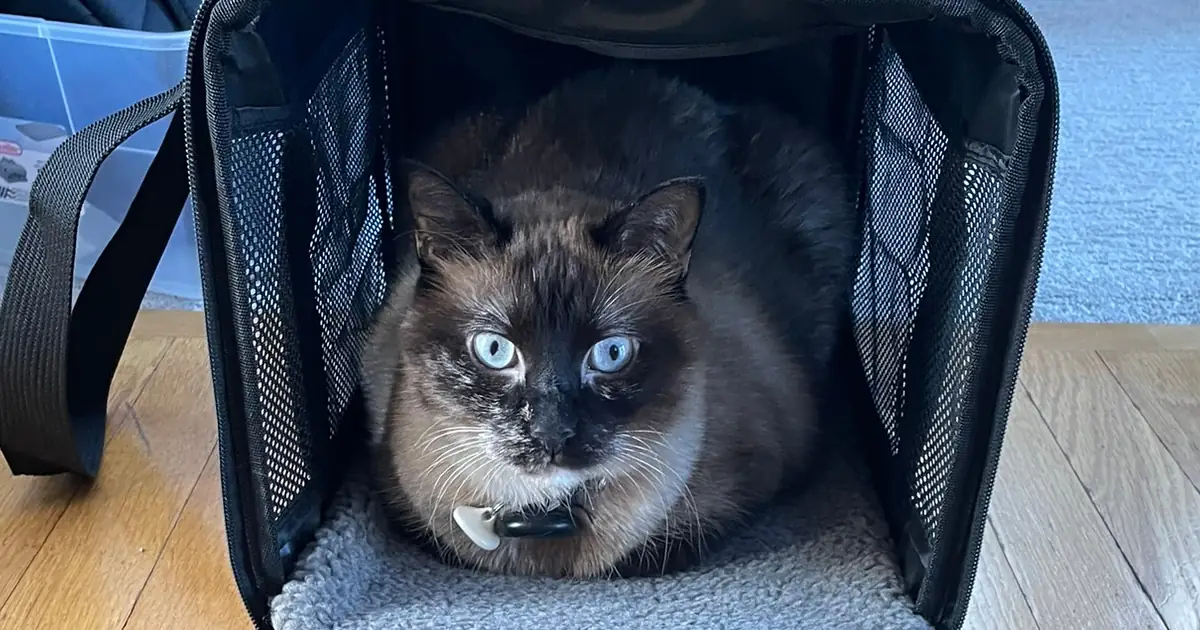
If the carrier appears only five minutes before a veterinary appointment, a cat may learn that it predicts being chased, confined and taken somewhere unfamiliar. Leaving it out between trips gives the carrier a chance to become an ordinary part of the home.
There is no fixed training deadline. Some cats investigate straight away; others need days or weeks. The aim is not to force a quick result, but to make each step easy enough that the cat will choose to try again.
Make the carrier part of the room
Choose a sturdy, well-ventilated carrier that is secure, easy to clean and large enough for the cat to turn around. Front and top openings, or a removable top, can make access easier. In a multi-cat home, provide one carrier per cat; even cats that usually get along may react unpredictably when they are frightened or unwell.
Put the open carrier in a room the cat already uses. Add familiar bedding and occasionally place a treat, toy or part of a meal near the entrance, then farther inside. Let the cat come and go. Reaching in to pull them out can turn a promising hiding place back into a trap.
Practise one small step at a time
Once the cat enters comfortably, briefly move the door without closing it and reward calm behaviour. Over later sessions, close it for a moment, reopen it, then gradually extend the time. Next, lift the carrier a few centimetres while supporting its base, put it down gently and open the door.
Keep sessions short enough to finish before the cat becomes overwhelmed. If they stop taking treats, hold their body tense and low, struggle or try urgently to escape, return to an easier step at the next session. Avoid chasing, scruffing or pushing the cat through the opening; those methods can deepen the fear that training is meant to reduce.
Prepare for the whole journey
After the cat is comfortable being carried around the home, practise a brief walk to the parked vehicle and back. A very short drive can follow when the cat is ready. Keep the carrier closed throughout the journey and never open it in a car, on the street or on public transport.
FelineVMA advises securing the carrier on the vehicle floor behind the driver's or front passenger's seat. Use a seat belt only with a carrier that is crash-test certified. A familiar towel over part of the carrier may reduce visual stimulation, but it must not block airflow or allow the cat to overheat. Drive smoothly and carry the carrier from underneath rather than by a swinging handle.
Ask the clinic for help before a difficult trip
Tell the veterinary team in advance if the cat has severe travel fear, becomes sick in the vehicle or cannot be handled safely. The clinic can advise on arrival arrangements and decide whether an individual medical plan is appropriate. Only a veterinarian should select or prescribe medication; never give a human sedative or another animal's medicine.
Do not postpone urgent care while waiting for carrier training to work. If the cat needs immediate help or their condition is worsening quickly, call the clinic while arranging the safest transport available. This general guide cannot replace advice from a veterinary professional who can assess your cat.
Frequently asked questions
- How long does carrier training take?
- There is no standard timetable. A confident cat may progress quickly, while a fearful cat may need days or weeks. Work at the cat's pace and return to an easier step if signs of distress increase.
- Should I put two cats in the same carrier?
- No. Even cats that normally get along may react unpredictably when frightened or unwell. Use a separate, secure carrier for each cat.
- Can I let my cat out of the carrier during the journey?
- No. Keep the carrier securely closed in the vehicle and in public places. An unrestrained cat can distract the driver, hide near the pedals or escape when a door opens.
References
- Feline Veterinary Medical Association — transportation of cats in motor vehicles - Veterinary position statement
- Feline Veterinary Medical Association — positive reinforcement training toolkit - Veterinary training guidance
- Cat Friendly Homes — choosing and using a cat carrier - Veterinary caregiver guidance
- International Cat Care — taking your cat to the veterinary clinic - Feline welfare guidance