


AnimalProtech Blog
Cat cannot urinate: signs of a urinary emergency
Repeated trips to the litter box can look like constipation or a minor accident. When little or no urine appears, the safest response is urgent veterinary care.
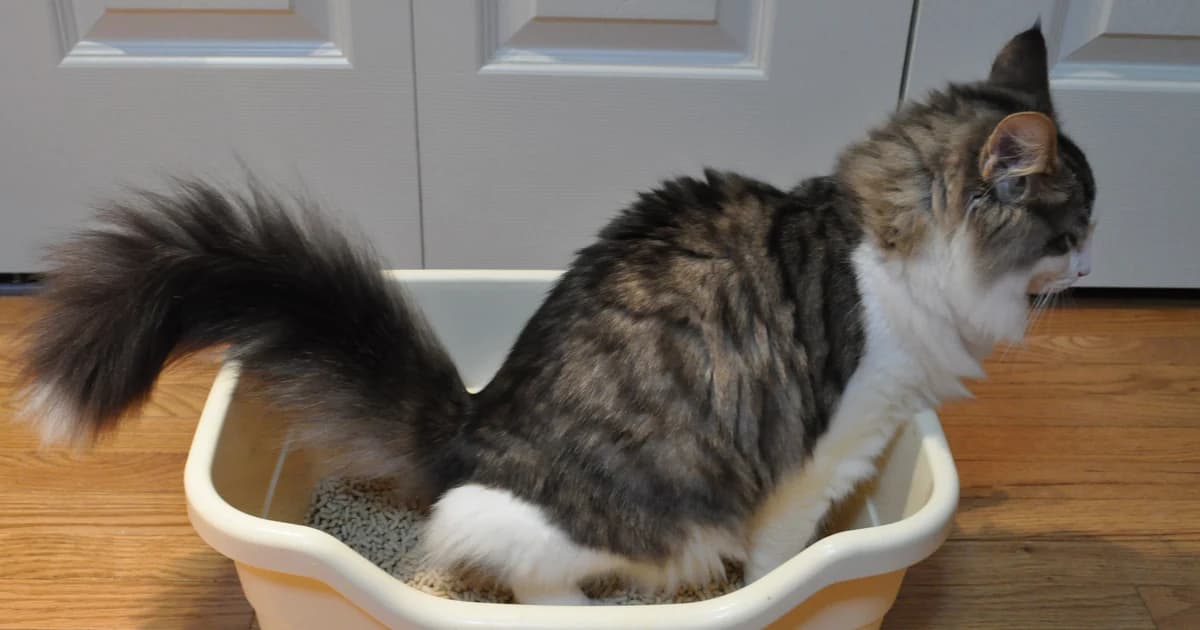
When a cat cannot urinate, it is not safe to wait and watch at home. Repeated straining with little or no urine may mean that the urethra—the tube carrying urine out of the bladder—is blocked. A suspected blockage needs immediate veterinary treatment, even if the cat was acting normally earlier in the day.
Recognise the pattern that needs immediate help
A cat with lower urinary-tract trouble may keep returning to the litter box, squat or strain for a long time, cry, pass blood or urinate outside the box. Some cats lick around the genitals more than usual. The most dangerous combination is repeated attempts with only drops or no confirmed urine.
Vomiting, loss of appetite, marked tiredness, hiding or increasing distress can appear as the cat becomes sicker. Do not wait for those later signs. Male and neutered male cats have a higher risk of urethral obstruction because their urethra is longer and narrower, but urinary difficulty in any cat deserves prompt assessment.
Check what happened without delaying the journey
If it is immediately clear, note the last normal urination, how often the cat has tried, whether any urine appeared and whether you saw blood, vomiting or a behaviour change. In a multi-cat home, you may not know which cat used the box; uncertainty is not a reason to wait when one cat is repeatedly straining.
Call an emergency veterinary service and leave as directed. Use a secure carrier. Do not spend hours monitoring, try to collect a urine sample first or wait overnight to see whether the next attempt is successful.
Do not press the abdomen or try a home remedy
Straining can be mistaken for constipation, and cystitis, stones, urethral plugs and other conditions can produce similar signs. A few drops do not prove that the bladder is empty or that urine is flowing normally. The cause cannot be established from posture or a litter-box photograph.
Never squeeze or massage the abdomen, attempt to express the bladder or insert anything into the urethra. Do not give human painkillers, leftover antibiotics, diuretics, supplements or household remedies, and do not force water into the cat’s mouth. These actions can cause harm and delay the care that relieves an obstruction.
What the veterinary team may need to assess
The veterinarian may examine the cat and use urine and blood tests or imaging to distinguish obstruction from other urinary problems and check its effects on the body. An obstructed cat commonly needs sedation or anaesthesia so a urinary catheter can be passed, along with hospital monitoring and intravenous fluids. The exact plan depends on the cat’s condition and the cause.
Food, water intake, litter-box setup, medication and recurrence prevention should be discussed after the emergency has been assessed. A product labelled for “urinary health” is not an emergency treatment, and one diet does not suit every cause. Follow the discharge plan and seek help again promptly if straining or reduced urine returns.
Frequently asked questions
- Could a cat straining in the litter box simply be constipated?
- It could be constipation, but urinary disease can look very similar and an obstruction cannot be ruled out at home. Repeated straining with little or no confirmed urine requires immediate veterinary assessment.
- Do a few drops of urine mean that my cat is not blocked?
- No. Passing drops does not confirm normal urine flow or an empty bladder. Treat repeated attempts, pain or a sharply reduced amount as urgent and contact an emergency veterinary service.
- Can female cats have a urinary emergency?
- Yes. Urethral obstruction is more common in male cats, but female cats can develop painful or serious urinary disease. Difficulty urinating, blood, distress or an uncertain urine output still needs prompt veterinary advice.
References
- Cornell Feline Health Center — Feline lower urinary tract disease - Veterinary caregiver guidance
- American College of Veterinary Surgeons — Urinary obstruction in male cats - Veterinary surgical guidance
- International Cat Care — Cat carer guide to urinary tract diseases - Feline caregiver guide
- Cornell University Hospital for Animals — Emergency and critical care - Veterinary emergency guidance