
AnimalProtech Blog
Australia reports 231 H5 detections in wild birds
Australia’s latest H5 figures use different measures for detections and events, while neither captures the full wildlife impact. Here is how to read them.
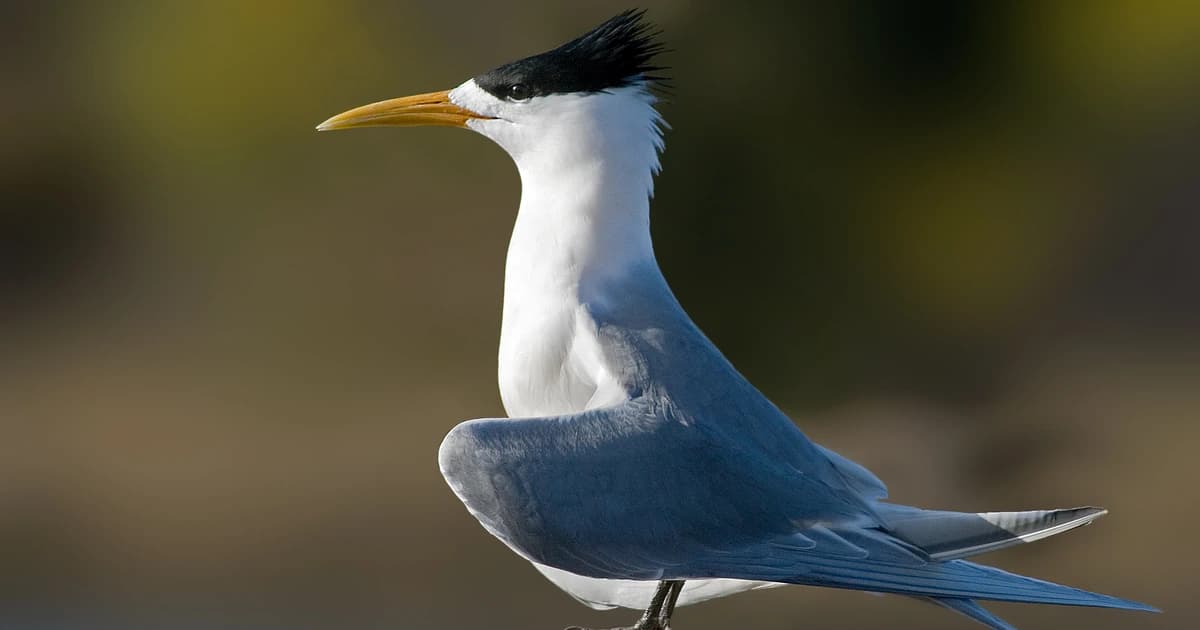
Australia’s national bird-flu dashboard recorded 231 H5 detections in wild birds as of 1:00 pm AEST on 10 August 2026. It separately listed 42 confirmed events. Those figures answer different questions, and neither represents every animal affected. Australia first detected the globally circulating H5N1 clade 2.3.4.4b in wild seabirds in June; officials later confirmed it in a resident greater crested tern.
What the national count actually measures
The federal update describes 231 confirmed or presumed-positive detections based on tested samples: 163 in South Australia, 53 in Victoria, 10 in Western Australia, four in New South Wales and one in Queensland. Some early samples were treated as presumed positive when sequencing could not be completed. A confirmed event, meanwhile, is an incident in which laboratory testing confirms H5. One event can include more than one detection, so the 42 events and 231 detections are not interchangeable. Sampling follows reports and targeted surveillance, making the figures a changing snapshot rather than a census of wild populations.
What changed in South Australia on 10 August
On 10 August, confirmatory testing added 11 South Australian seabirds: one cormorant at Carpenter Rocks; greater crested terns at Port MacDonnell, Beachport, D’Estrees Bay, Seal Bay and Port Vincent; and a silver gull at Glenelg. These birds had already been classed as suspect detections. Another 35 suspect detections were awaiting laboratory results and were not part of the 163 confirmed South Australian detections.
Baudin Rocks shows why detections are not the toll
The first confirmed H5 mass-mortality event in Australian wildlife was reported at Baudin Rocks on 4 August, after an investigation of more than 80 sick or dead wild birds. Six samples from the site were positive, but officials did not test every animal because that was unnecessary to identify the cause of the event. Consequently, a detection count is neither a death count nor a complete estimate of the outbreak’s impact.
What the findings mean for human health
Authorities reported no detections in poultry or Australia’s agricultural production system. The Australian Centre for Disease Control assessed the risk to people as low and reported no human infections with this clade in Australia. Infection in people is rare but can be severe, so “low risk” is a reason to follow exposure advice—not to handle a sick bird.
Safe reporting protects wildlife and people
In Australia, follow three steps: avoid contact, record the location and observations from a safe distance, then report sick or dead wildlife to the 24-hour Emergency Animal Disease Hotline on 1800 675 888. Do not touch, move or attempt to rescue a sick or dead wild bird yourself. Keep children and pets away, keep dogs leashed and cats from roaming, avoid feeding wild birds, and clean footwear and clothing between wildlife areas. Outside Australia, contact the relevant local animal-health or wildlife authority.
Frequently asked questions
- Does 231 detections mean that 231 birds died?
- No. The figure counts confirmed or presumed-positive detections based on samples, which may come from sick or dead birds. It does not include every affected animal, and it is separate from the 42 confirmed events.
- Has this H5N1 clade reached Australian poultry or people?
- As of 1:00 pm AEST on 10 August 2026, authorities reported no detections in poultry or agricultural production and no human infections with this clade in Australia. The assessed human-health risk remained low.
- What should I do if I find a sick or dead wild bird?
- Do not touch or move it. Keep people and pets away, record the location and details from a safe distance, and report it. In Australia, call 1800 675 888; elsewhere, contact your local animal-health or wildlife authority.
References
- Australian Department of Agriculture — Bird flu dashboard and updates - Federal situation dashboard
- Australian Department of Agriculture — H5 bird flu updates - Dated federal situation updates
- South Australian Government — H5 bird flu testing update, 10 August 2026 - Same-day government testing update
- Australian Department of Agriculture — Wildlife and bird flu - Government wildlife safety and reporting guidance
- Australian Centre for Disease Control — Bird flu (avian influenza) - Government public-health advice
- Australian Department of Climate Change — How you can help - Government wildlife biosecurity guidance